
How to create local multiplayer tournaments for game night
Build fair couch tournaments with brackets, round-robin schedules, king-of-the-hill rotations, score races, and house rules that keep every match moving.
Create a local multiplayer tournament by choosing a short repeatable match, picking a format, setting match length and tiebreakers before anyone plays, then tracking results where everyone can see them. Couch Pals helps with brackets, round-robin schedules, king-of-the-hill rotations, scores, penalties, team swaps, and the final winner.
At a glance
| Best for | Local versus games, party minigames, sports rounds, fighting games, racing challenges, and score-based modes. |
|---|---|
| Core rule | Choose the tournament format, match length, tiebreakers, and final rule before the first round. |
| Couch Pals role | Tracks brackets, leagues, rotations, scores, penalties, match wins, byes, and the champion outside the game. |
A good couch tournament has the same energy as an old arcade line: one match ends, the next challenger is already standing up, and everyone remembers the comeback that should not have happened.
The structure matters because local competitive nights can drift fast. Without a bracket, a timer, or a clear score rule, the loudest rematch request usually wins. Give the room a format first, then let the rivalries build inside it.
Start with a match everyone can repeat
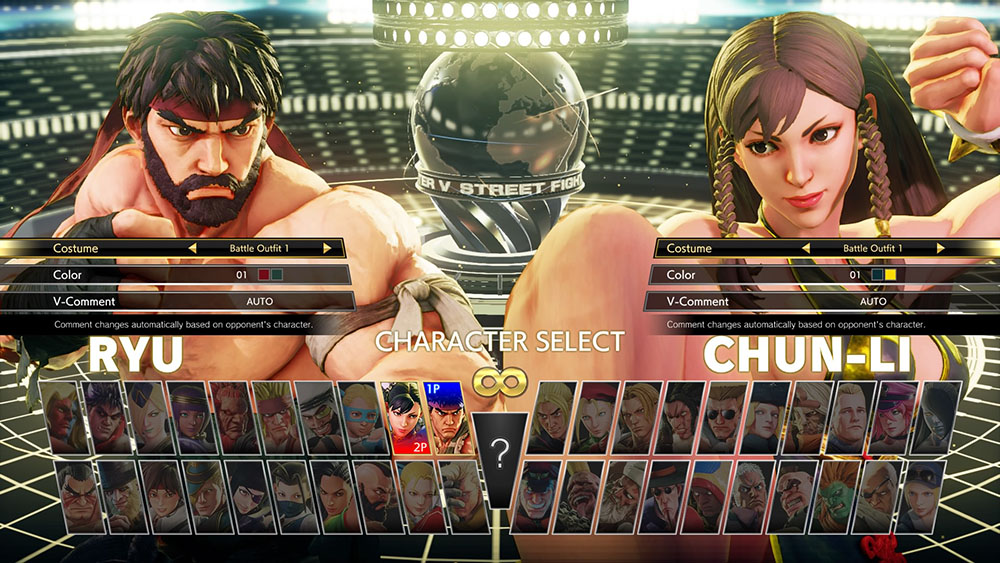
The tournament only works if every player is competing under the same conditions. That usually means the same stage, ruleset, difficulty, car class, team size, match timer, character restrictions, or score target.
Short matches are friendlier than perfect matches. A two-minute party round, a best-of-three fight, one race, or one arcade attempt keeps the bracket alive while the rest of the couch talks, scouts, and waits for the next upset.
- Use one shared ruleset for the whole bracket unless everyone agrees to a themed round.
- Set a match cap so early rounds do not swallow the night.
- Write tiebreakers before the first close call: sudden death, rematch, fastest time, highest score, or one final point.
- Decide whether players can change characters, teams, loadouts, cars, assists, or stages between games.
Choose the format that fits the room
Different groups want different kinds of pressure. A bracket gives every match weight. A league gives quieter players more time to settle in. King of the hill turns the champion seat into a target.
Pick the format around the mood of the night, not just the number of names on the couch. A birthday party wants fast rotation. A rivalry night can handle longer sets and a heavier final.
- Single-elimination bracket: fastest route to a champion, best for high-energy local versus games.
- Round-robin league: everyone plays everyone, best for small groups that want a fair table.
- King of the hill: winner stays on, best for quick matches and constant challenger pressure.
- Score-race tournament: everyone plays the same challenge, best for games without direct local versus.
Make the finals feel earned
The final should feel different without becoming a new game. Keep the same rules, then give the last match a little more space: best of five instead of best of three, a longer race set, or a final score challenge with one extra attempt.
That small lift gives the room a reason to gather around the screen again. The bracket has built a story by then, and the last match deserves enough time for a comeback.
- Use best-of-one for early party rounds when time is tight.
- Use best-of-three for most serious matches.
- Use best-of-five for finals, grand finals, or long-running grudges.
- Keep a simple third-place match only if the eliminated players still want one.
Keep score visible and downtime low
The bracket should answer the boring questions before they interrupt the fun: who plays next, who advanced, what the match score is, and what still needs to happen before the final.
Couch Pals is useful here because it keeps the tournament outside the game. You can run the bracket, league, or rotation while the console stays on the match screen, then record each result as soon as the players put the controllers down.
- Call the next match before the current players leave the seats.
- Record results immediately, including match scores when best-of rules are used.
- Use byes without drama when the bracket has an uneven number of players.
- Add small penalties for house-rule breaks only when they are easy to notice.
Recommended setups to try
Tournament builder
Best for Fighting games, sports games, party minigames, arena modes, and fast local versus rounds. How it works Run best-of-three matches, then give the final a best-of-five set. The winner advances through the bracket until one champion remains. Let's Play!Round-robin league
Best for Small groups, balanced rivalries, puzzle versus games, sports rounds, and longer game nights. How it works Each player or team faces every other player or team once. Best record leads the table, with an optional top-two final. Let's Play!King of the Hill
Best for Quick rematches, fighting games, sports minigames, arena rounds, and drop-in players. How it works The winner stays for the next match while the next challenger rotates in. Longest streak or most successful defenses wins the session. Let's Play!Score attack
Best for Arcade modes, racing stunts, rhythm games, score screens, and games without direct local versus. How it works Everyone gets the same number of attempts on the same challenge. Highest total score wins, with deaths or mistakes as penalties. Let's Play!Build the bracket before the first match
Open Couch Pals, add the players on the couch, choose the match rules, and let the tournament board handle who plays next.
Start with Couch PalsFAQ
How do you run a local multiplayer tournament at home?
Pick one game or mode, choose a tournament format, set match length and tiebreakers, add the players or teams, then record every result until the bracket, league, or rotation has a winner.
What tournament format is best for a small game night?
Use single elimination for a quick champion, round robin when everyone should play everyone, and king of the hill when the group wants constant rematches with the winner staying on.
How many players do you need for a couch tournament?
Two players can run a best-of series, while three or more players can use a bracket, round-robin league, king-of-the-hill rotation, or score race.
How do you keep a local tournament fair?
Use the same stage, settings, match length, and scoring rules for each player. Write tiebreakers and character, team, or loadout rules before the first match so close results do not become arguments.
What games work best for local multiplayer tournaments?
Games with short repeatable rounds work best: fighting games, sports games, party minigames, racing challenges, puzzle versus modes, arcade score screens, and local arena games.
Can Couch Pals add local multiplayer to a game?
No. Couch Pals does not modify games or add split-screen. It helps your group organize brackets, rotations, scoreboards, timers, penalties, house rules, and winners around games you can already play or watch together.
Sources checked
Keep building better game nights
Browse more guides, articles, and previews for ways to turn games into shared local challenges.
Explore the hub